
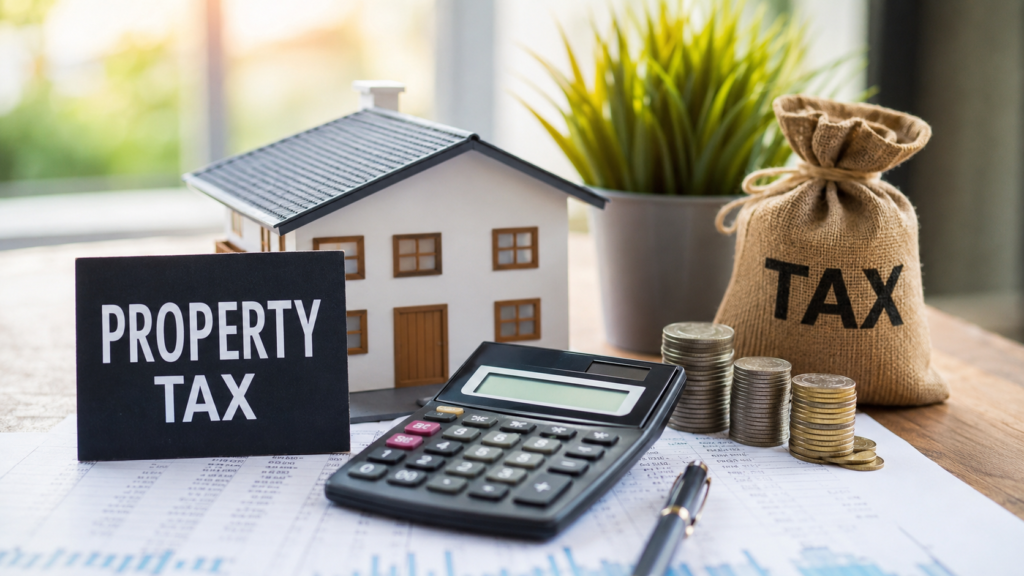
Property taxes in India are an important part of owning real estate in India. Whether you own a residential apartment, builder floor, independent house, commercial property, or plot, understanding property tax can help you manage your Search my property expenses and avoid unnecessary penalties.
Property tax is generally collected by the local municipal authority or civic body. The amount can vary depending on the location, property type, size, usage, and other factors. For property buyers and existing owners, knowing how property tax is calculated, paid, and checked online can make property ownership much easier.
What Is Property Tax?
Property tax is a local tax imposed on property owners by municipal corporations, municipalities, or other local authorities. The revenue collected is generally used to support civic services and infrastructure such as roads, sanitation, drainage, street lighting, waste management, and other public facilities.
Property tax is different from income tax and other central or state-level taxes. The rules, calculation methods, payment deadlines, and rates can differ from one city to another.
Who Has to Pay Property Tax?
The owner or person legally responsible for a property generally has to pay property tax to the relevant local authority.
Property tax may apply to:
- Residential apartments
- Builder floors
- Independent houses
- Villas
- Commercial properties
- Shops and offices
- Certain vacant plots or land
- Other taxable buildings and properties
If you are buying a property, it is important to check whether previous property-tax dues have been cleared before completing the transaction.
How Is Property Tax Calculated?
Property-tax calculation differs between municipalities. Authorities may consider factors such as:
- Property location
- Built-up or covered area
- Property type
- Residential or commercial use
- Age of the building
- Occupancy status
- Applicable municipal rates
- Use of the property
Some local bodies use annual rental value, unit area value, capital value, or other assessment methods.
Because the calculation system varies by city, property owners should check the official municipal authority for the latest rules applicable to their property.
Property Tax for Residential Properties
Residential property tax generally applies to houses, apartments, builder floors, villas, and similar properties.
The amount payable can depend on the property’s location, size, construction, usage, and assessment method adopted by the local authority.
For example, two apartments of similar size may have different tax liabilities if they are located in different municipal zones or fall under different property categories.
Property Tax for Commercial Properties
Commercial properties in Gurgaon can have different tax rates or assessment rules compared with residential properties.
Shops, offices, commercial floors, warehouses, and other business premises may therefore have different property-tax obligations.
Before purchasing a commercial property, investors should verify the applicable municipal tax structure and outstanding dues.
How to Pay Property Tax Online
Many municipal authorities provide online property-tax payment facilities.
A typical online payment process may include:
- Visit the official municipal or local-authority website.
- Find the property-tax section.
- Enter the property identification number or required details.
- Review the outstanding tax amount.
- Select the applicable payment option.
- Complete the payment.
- Save or download the payment receipt.
The exact process varies depending on the city and municipal authority.
What Is a Property Tax ID or Property Identification Number?
Many local authorities assign a unique identification number to a property. This number can be used to locate property records, check outstanding dues, make payments, and download receipts.
Property owners should keep their property identification details safely stored because they may be required for future tax payments, property-related applications, or municipal services.
What Happens If Property Tax Is Not Paid?
Failure to pay property tax on time may result in penalties, interest, or other action according to the applicable municipal rules.
Unpaid property-tax dues can also create complications when selling or transferring a property. Therefore, owners should maintain records of payments and clear outstanding dues within the applicable deadlines.
Property Tax and Buying a New Property
Property buyers should not focus only on the purchase price, stamp duty, and registration expenses. Recurring property-related costs should also be considered.
Before buying a property, it is useful to check:
- Existing property-tax dues
- Property identification number
- Previous tax receipts
- Municipal records
- Applicable tax assessment
- Ownership documents
- Any outstanding municipal charges
These checks can help buyers avoid unexpected liabilities after the purchase.
Property Tax and Builder Floors
Builder floors are increasingly popular in urban areas such as Gurgaon and other parts of the National Capital Region.
Owners of builder floors in Gurgaon should understand that property-tax obligations can depend on the applicable municipal jurisdiction and property assessment. Buyers should verify the property records and tax status before completing a transaction.
If you are considering a builder floor, reviewing the latest municipal records can be an important part of property due diligence.
Property Tax vs Stamp Duty
Property tax and stamp duty are two different expenses.
Property Tax:
A recurring local tax generally paid by property owners to the relevant municipal authority.
Stamp Duty:
A government charge associated with certain property transactions and documents, with rates and rules determined by the applicable government authority.
A property buyer should budget separately for both transaction-related costs and recurring property expenses.
Tips to Manage Your Property Tax
Property owners can follow a few simple practices to manage their tax obligations efficiently:
1. Keep Your Property Details Updated
Ensure that your property information is correctly recorded with the relevant municipal authority.
2. Track Payment Deadlines
Keep track of applicable property-tax due dates to avoid late fees or penalties.
3. Save Every Receipt
Keep digital and physical copies of property-tax payment receipts.
4. Check Outstanding Dues
Review your property-tax account periodically to ensure there are no unpaid amounts.
5. Verify Tax Status Before Selling
If you plan to sell your property, clear outstanding dues and maintain the relevant receipts.
Why Property Tax Matters for Real Estate Investors
Property tax should be included when calculating the overall cost of property ownership.
Investors should consider:
- Purchase price
- Registration-related costs
- Property tax
- Maintenance charges
- Society or association fees
- Insurance
- Repairs and renovation
- Rental income and related expenses
Understanding these costs can help investors estimate the long-term financial performance of a property more realistically.
Frequently Asked Questions About Property Taxes
Q1. What is property tax?
Property tax is a local tax generally charged by municipal authorities on taxable properties. It helps fund civic services and local infrastructure.
Q2. Who is responsible for paying property tax?
The property owner or legally responsible person generally has to pay property tax according to the rules of the relevant local authority.
Q3. Can property tax be paid online?
Yes. Many municipal authorities provide online property-tax payment facilities through their official websites.
Q4. What happens if property tax is not paid?
Depending on local rules, unpaid property tax may attract penalties, interest, or other recovery measures. Outstanding dues can also complicate future property transactions.
Q5. Is property tax the same as stamp duty?
No. Property tax is generally a recurring local tax, whereas stamp duty is typically a transaction-related government charge applicable to certain property documents.
Final Thoughts
Property tax is an essential part of responsible property ownership. Whether you are buying a luxury apartment, builder floor in Gurgaon villa, independent house, or commercial property, understanding your local property-tax rules can help you plan your finances and avoid unexpected liabilities.
Since property-tax rates and assessment methods vary by location, always verify the latest information with the relevant municipal authority before making payment or making decisions based on a tax estimate.